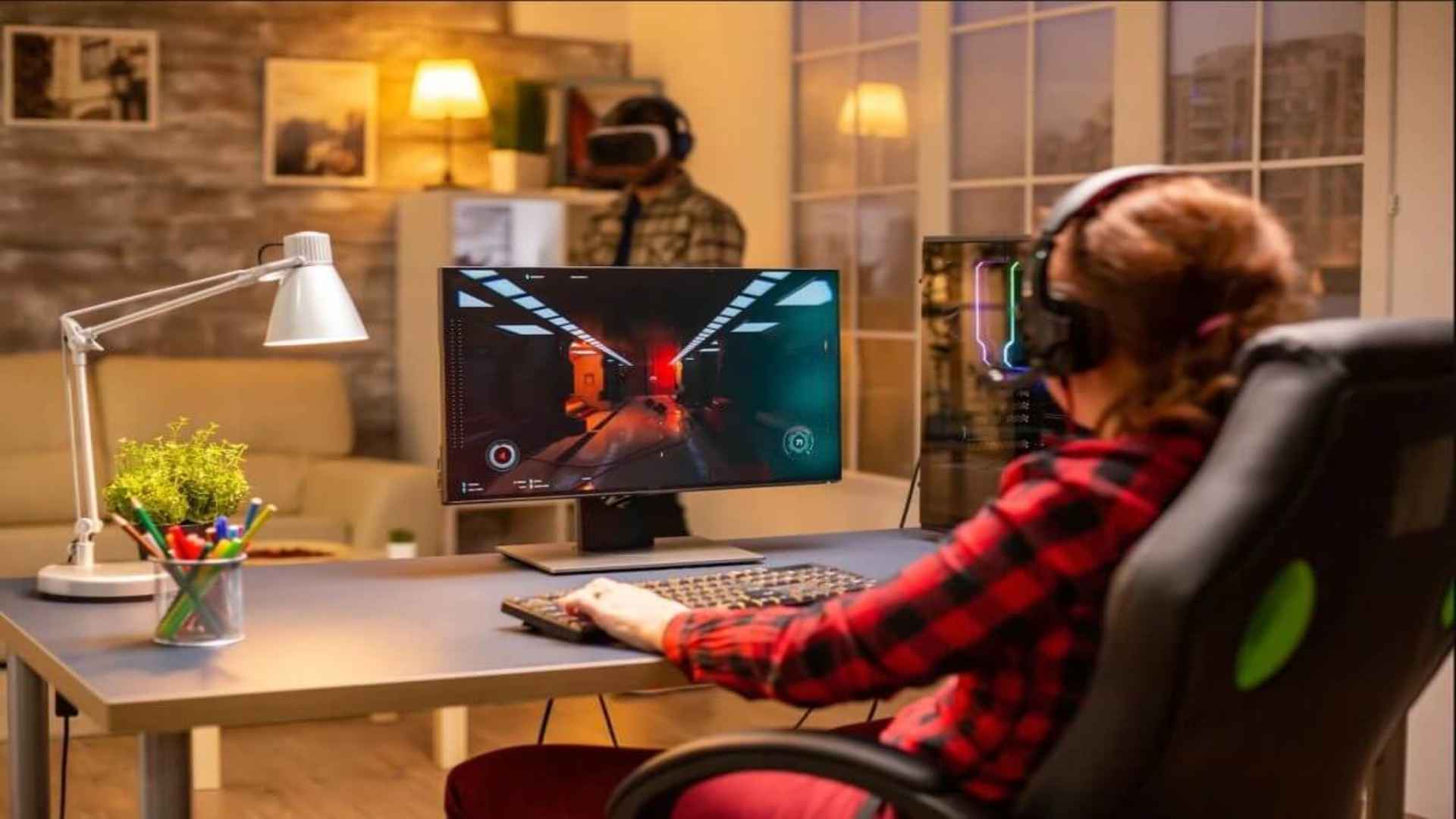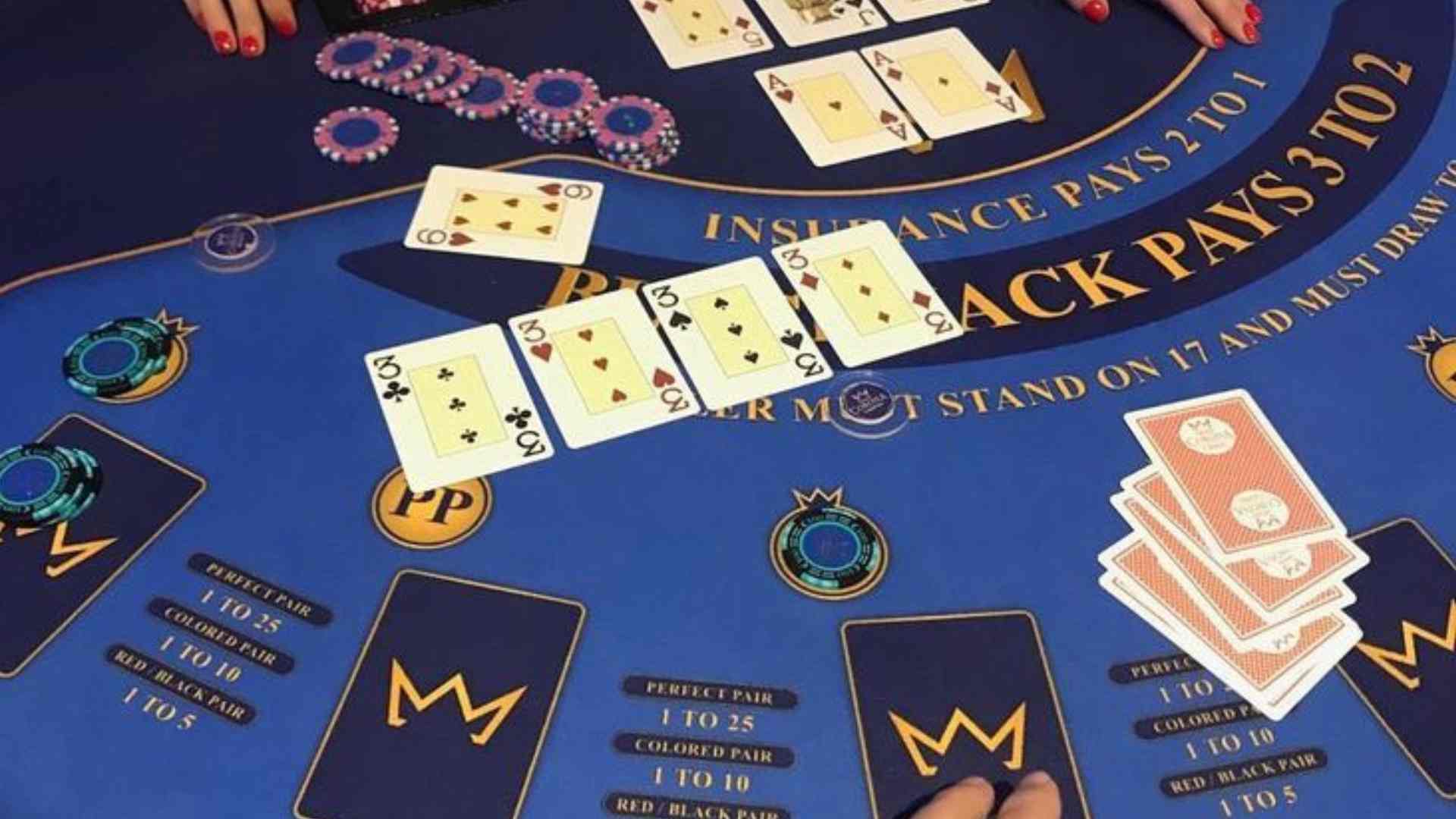
High technical proficiency and deep tactical knowledge are foundational to achieving success in competitive gaming environments. However, even the most talented individuals often find that raw skill alone is insufficient to guarantee long-term victory. Without steady self-control, sudden psychological shifts can undermine optimal execution during high-stakes moments.
The Impact of Emotional Volatility on Decision Quality
When high skill levels collide with intense pressure, subtle emotional reactions can cloud sharp judgment. Frustration or overconfidence can alter an individual's perception of risk, leading to uncharacteristic miscalculations. Maintaining mental stability allows competitors to evaluate incomplete information objectively without acting on impulse.
Even minor lapses in composure can cause a competent strategist to abandon a proven game plan prematurely. Unchecked feelings often shorten a player's attention span and erode patience during prolonged sessions. Consequently, emotional governance becomes the primary barrier against costly tactical blunders.
Sustaining Focus Under High Pressure Environments
Competitive arenas naturally produce elevated stress levels that test cognitive endurance. Players who master emotional regulation can filter out external distractions and stay present during critical decision points. This unwavering focus enables consistent performance even when circumstances turn unfavorable.
Many enthusiasts study competitive strategies and sports coverage on platforms like m88 - m thể thao to analyze how professionals manage high-pressure situations. Observing seasoned competitors demonstrates that maintaining poise directly correlates with higher execution standards. Ultimately, psychological resilience transforms theoretical skill into reliable performance.
Mitigating the Effects of Tilt and Fatigue
Experiencing unexpected setbacks or consecutive losses often triggers a reactive mindset commonly referred to as tilt. When tilt sets in, rational analysis is replaced by a desperate urge to recover losses through aggressive, high-risk moves. Developing strong emotional boundaries prevents these emotional cascades from destroying past gains.
Cognitive fatigue further exacerbates emotional vulnerabilities as extended play wears down willpower. Disciplined players recognize the warning signs of mental exhaustion and adjust their play style or step away before costly errors occur. Managing mental energy ensures that technical ability remains available when it matters most.
Cultivating Long-Term Consistency Through Self-Awareness
Long-term mastery requires continuous self-reflection and an honest assessment of one's psychological triggers. Identifying specific scenarios that provoke frustration helps players construct preventive mental routines. Over time, proactive self-regulation becomes an automatic component of strategic preparation.
Technical expertise sets the foundation for competitive success, but emotional discipline defines sustained greatness. By pairing analytical mastery with robust psychological control, skilled players protect their competitive edge against volatile outcomes.