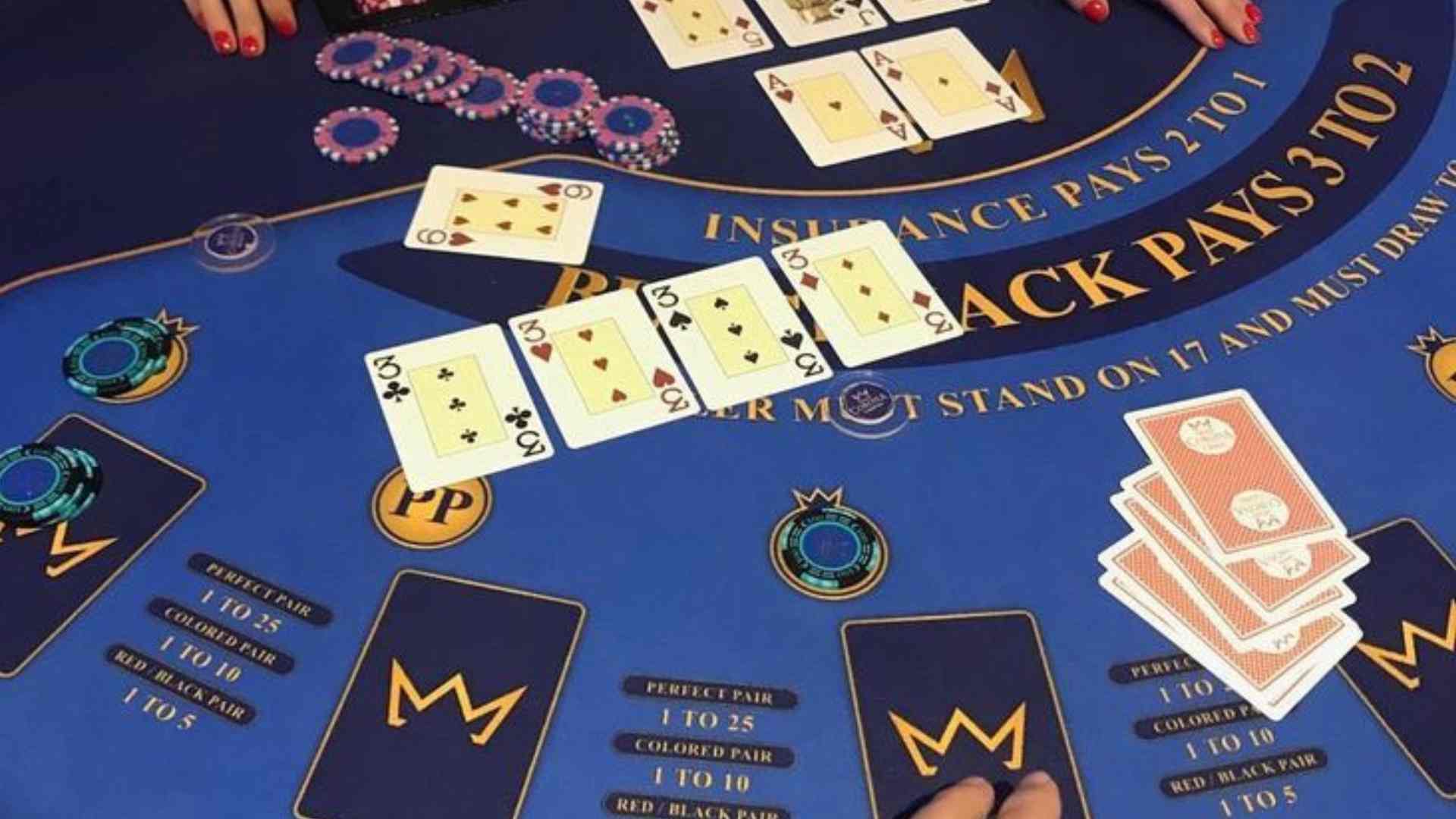
The operational architecture of vintage table games offers a compelling study in how rule design shapes social interactions and risk management. Long before computerized calculations standardized the industry, players relied on immediate observation and personal interaction to guide their decisions. Exploring these foundational setups allows modern researchers to understand how simple card mechanics transformed into highly engaging community experiences.
The Shifting Dynamics of Financial Liability
In the earliest variations of baccarat, the role of the banker was not a permanent fixture managed by a corporate entity. Instead, the privilege of holding the bank was passed around the table or assumed by an individual willing to risk their own funds against the collective capital of the remaining participants. This fluid arrangement altered the psychological environment of the room, turning a simple card duel into a complex exercise in human social psychology.
Participants had to carefully observe table dynamics and financial exposure because the banker bore direct responsibility for covering all active wagers. This traditional framework fostered an atmosphere where reputation, personal choice, and physical seating arrangements mattered far more than memorized statistical patterns. Understanding this historic balance between risk and direct involvement highlights the stark differences between older social traditions and fully automated digital gaming styles.
Tactical Control over Drawing Rules
As card games traveled across various regions, continental gaming salons heavily refined operational procedures to emphasize community and personal decision-making. Variants like Baccarat Banque allowed players to make independent drawing choices rather than adhering strictly to mandatory third-card rules. This direct control allowed seasoned enthusiasts to read their opponents and make active tactical adjustments based on simple observation.
Over the years, these elaborate setups transitioned into streamlined formats designed for faster outcomes and broader audience appeal. Players looking to experience modern variations of these legendary concepts can quickly check out an immersive m88 slot platform to explore a diverse range of contemporary alternatives. This technological transition retains the core elements of probability while utilizing automated systems to manage the complex calculation rules instantly.
Spatial Influence and Positional Advantages
The layout of a traditional gaming room was never a matter of mere aesthetics or random furniture placement. In classic European card rooms, where games relied heavily on human interaction and physical dealing, the exact position a player occupied around the table directly dictated their strategic options. Understanding these historical seating arrangements reveals how physical proximity and lines of sight influenced tactical play.
Where a participant chose to sit around a semi-circular table directly affected their visual perspective, the timing of their decisions, and the psychological pressure they experienced. True expertise developed when a player learned to interpret subtle operational shifts, rhythmic patterns, and positional advantages occurring live during a round. By combining keen observation with a deep understanding of structural timing, table enthusiasts could dramatically elevate their performance without relying on rigid tactical templates.